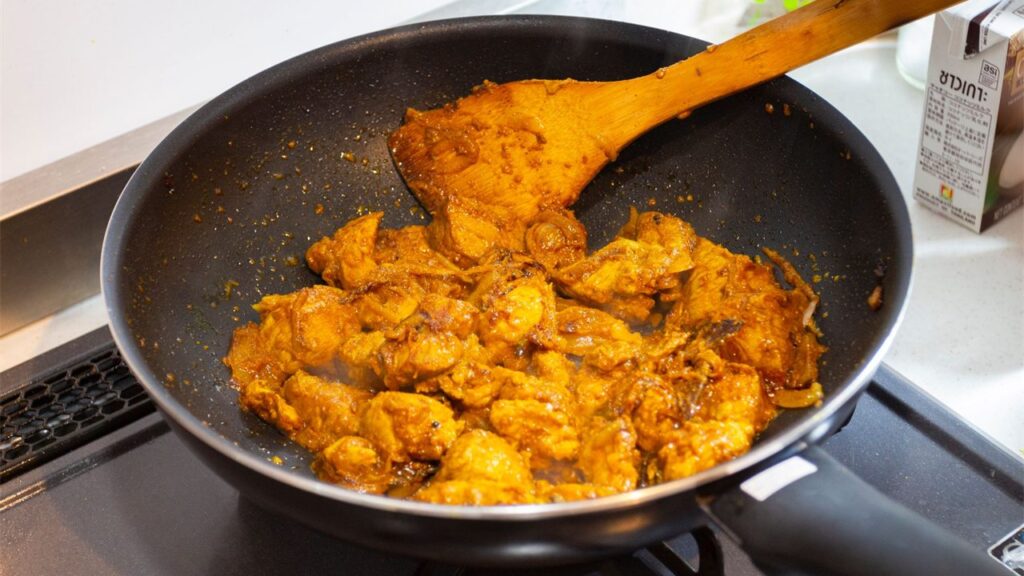
Knowing how to fix curry starts with naming the problem. A curry that tastes “off” is usually one of a dozen things: too salty, too hot, bitter, flat, too sweet, too sour, too thin, split, greasy or scorched. Each has a different fix, and the wrong fix (more spice for a bitter curry, more salt for a sour one) makes it worse.
This page is the diagnosis guide. Find your problem in the table, try the quick fix, then follow the link to the full guide for amounts, causes and prevention.
Quick answer
How do you fix curry?
Taste it and name the problem first. For too salty, spicy or sour, dilute with unsalted liquid, yogurt or coconut milk; for bland, add salt, then acid, then a fresh tadka. Simmer a thin curry uncovered, whisk a split one and skim an oily one. If it tastes burnt, move it to a clean pot or remake the base.
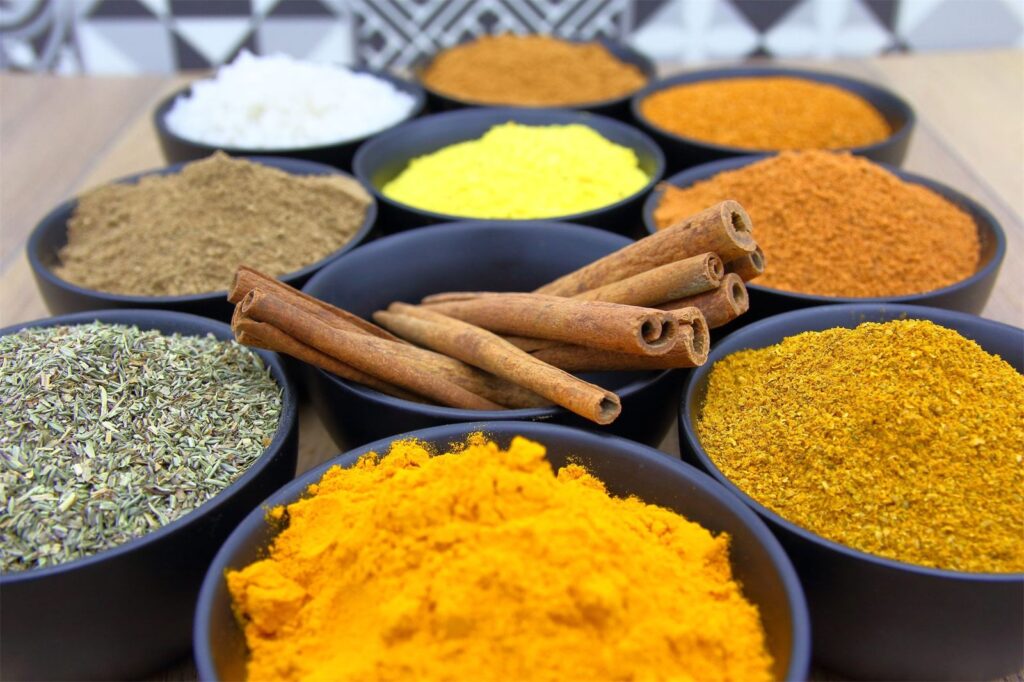
What’s wrong with your curry? The problem table
Use this table to match what you taste or see with a first fix. Each fix is a starting point; add a little, stir, simmer a minute and taste again before adding more.
| Problem | Quick fix | Full guide (linked below) |
|---|---|---|
| 1. Bitter | A pinch of sugar, a squeeze of lemon, a spoon of cream; remake the base if burnt | Why curry tastes bitter |
| 2. Too salty | Add unsalted liquid or a second unsalted batch of base | Fixing a curry that is too salty |
| 3. Too spicy | Stir in yogurt, cream or coconut milk off the heat | How to make curry less spicy |
| 4. Bland or flat | Salt first, then acid, then a fresh tadka | Why a curry tastes bland |
| 5. Watery or thin | Simmer uncovered 10-20 minutes | How to thicken a watery curry |
| 6. Too thick | Add hot water a few tablespoons at a time | Same thickening guide (loosening section) |
| 7. Yogurt split or curdled | Take off the heat and whisk hard | Yogurt curdled in curry |
| 8. Too sweet | Lemon, lime or tamarind, a little at a time | Balancing a curry that is too sweet |
| 9. Too sour or tomatoey | A pinch of sugar or jaggery, or cream | Fixing a sour or tomatoey curry |
| 10. Too oily | Rest, then skim the oil off the top | Removing excess oil from curry |
| 11. Burnt on the bottom | Move to a clean pot without scraping | Bitter guide (burnt base section) |
| 12. Grainy or flat after storing | Whisk while reheating, finish with a tadka | Freezing and reheating curry |
How to fix curry that tastes bad: the order to work in
Taste a spoonful on its own, not with rice, and ask four questions in order: is it salty enough, is it bright enough (acid), is it rich enough (fat), and are the spices alive or dusty? Most “bad” curries fail one of these. Fix that one thing in small steps, then taste again before moving to the next. If the curry tastes burnt or acrid, stop adjusting and read the section on burnt curry below.
Order matters because each fix changes the others. Salt makes acid taste stronger, sugar hides sourness and heat, and cream dulls everything a little. One change at a time keeps you from chasing the balance around the pot.
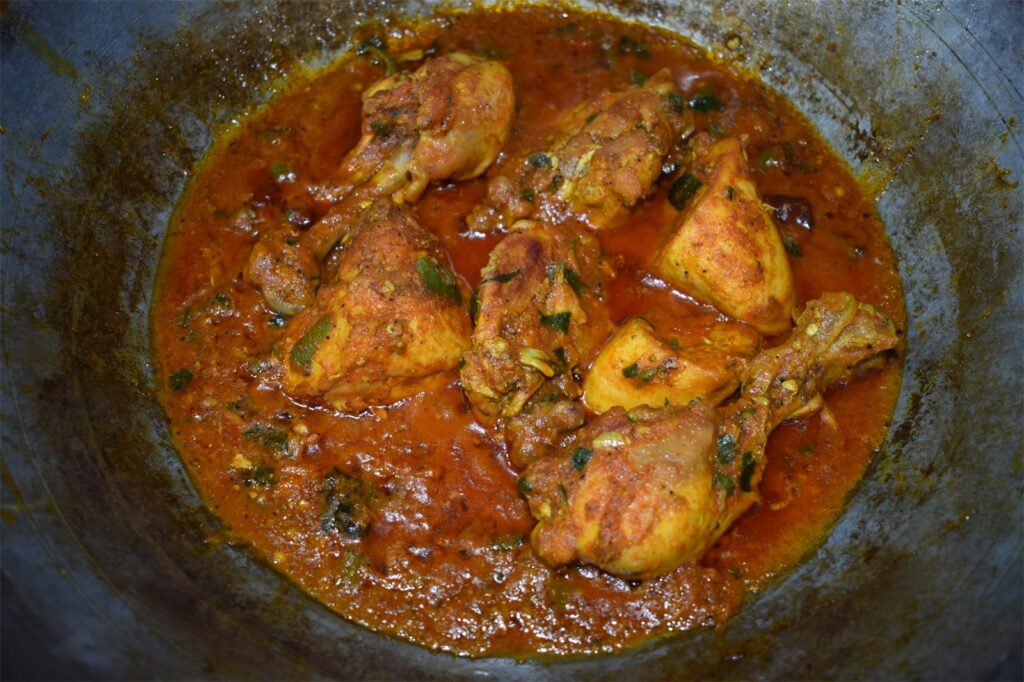
Taste problems
Curry tastes bitter
Bitterness usually comes from burnt garlic or spices, too much turmeric or fenugreek, or tomato paste that was not cooked through. A pinch of sugar, a squeeze of lemon or a spoon of cream can round out mild bitterness. Our guide to why curry tastes bitter lists eight causes with a taste clue and fix for each.
Curry is too salty
The reliable fix is dilution: more unsalted liquid, or a second batch of unsalted base mixed in. The potato trick is popular, but it does far less than people think. The guide to fixing a salty curry has amounts in US cups and fixes by curry type.
Curry is too spicy
Dairy helps most: yogurt, cream or coconut milk stirred in off the heat. More base, a little sugar or acid, and serving with rice or bread also soften the heat. See how to make curry less spicy for which fix suits a cream, tomato, coconut or lentil curry.
Curry tastes bland or flat
A flat curry is most often under-salted or missing acid. If it tastes raw or powdery, the spices were not cooked in oil long enough, or they are old. The bland curry checklist walks through salt, acid, fat and spice in order. A fresh tadka (spices sizzled in hot ghee or oil and poured over the top) is the quickest way to add new flavor at the end.
Curry is too sweet
Sweetness comes from sugar, coconut milk, slow-cooked onions, cream or a jarred sauce. Balance it with acid (lemon, lime, tamarind or yogurt) and a little extra salt or chili. Our guide to balancing a curry that is too sweet matches each sweet source with its fix.
Curry is too sour or tomatoey
Sourness from tomatoes, tamarind, yogurt or lemon can be softened with a pinch of sugar or jaggery, cream, or more cooking time for raw tomato. A tiny pinch of baking soda works for very acidic tomato curries, but too much tastes soapy. The sour curry guide gives the amounts.

Texture problems
Curry is watery or thin
Simmer it with the lid off so water can evaporate; 10-20 minutes fixes most thin sauces. For faster results, use a cornstarch slurry or an Indian thickener such as cashew paste, toasted chickpea flour or red lentils. The guide to thickening a watery curry has nine methods with amounts per quart.
Curry is too thick
Stir in hot water, stock or coconut milk a few tablespoons at a time and simmer briefly. Then taste again, because the extra liquid also thins the salt and spice. Curry thickens as it cools, so leave it slightly looser on the stove than you want it on the plate.
Yogurt curdled or the sauce split
Yogurt splits when it boils, meets strong acid or goes in cold. Take the pot off the heat and whisk hard, or blend a cup of sauce and stir it back. Prevention is easier than rescue; how to fix and prevent curdled yogurt in curry covers tempering step by step.
Curry is too oily
Oil rising to the surface is often a sign the masala is cooked, not a mistake. If there is too much, let the curry rest a few minutes and skim it off with a ladle. Our guide to removing excess oil from curry compares six methods. A smooth sauce also holds fat better: an immersion blender helps there, and our roundup of the best immersion blenders for curry sauces compares options.
If the sauce is fine but the meat is not, see why chicken turns tough in curry. For vegetables that will not soften, see potatoes not cooking in curry, and for seafood, how to keep fish from falling apart.

Can you save a burnt curry?
Often, yes, if you act fast. Do not stir. Pour the curry that is not stuck into a clean pot, leave the burnt layer behind, and taste. If it tastes only slightly smoky, a splash of cream, a pinch of sugar or a squeeze of lemon may cover it. If it tastes acrid all through, the base cannot be balanced back; cook a fresh onion and tomato base and move the meat or vegetables into it.
Scorching is more likely in thin pans on high heat. A heavy pan spreads the heat; see our picks for the best kadai for Indian cooking on US stoves and the comparison of a kadai vs a Dutch oven for curry.
Spice problems: missing or stale spices
A recipe that calls for a spice blend you do not have is a fixable problem too. Our guides to a curry powder substitute and a garam masala substitute give swaps with ratios. If your curry tastes dusty even with the right spices, they may simply be old; check how long ground spices last before buying more.
For a map of what each spice does and when it goes in, see our complete list of Indian spices.
Can you fix curry the next day?
Yes. Many curries taste better the next day, and leftovers are easier to adjust because you can skim set fat and taste calmly. Reheat with a splash of water, whisk if the sauce looks grainy, and finish with fresh herbs or a quick tadka. Our guide to freezing and reheating curry covers fridge times and safe reheating.
One rule overrides every fix: a curry that sat out too long is not worth saving. UF/IFAS Extension’s 2-hour rule says to discard perishable cooked food left at room temperature for more than 2 hours, or more than 1 hour above 90°F, because bacteria grow quickly between 40°F and 140°F.
How to stop curry problems before they start
- Cook the base fully. Onions, ginger, garlic and tomatoes need time; raw base is behind many sour, flat and bitter curries.
- Bloom spices in oil. Ground spices taste raw until they cook briefly in fat.
- Season in stages. Add salt and chili a little at a time, and taste after the sauce reduces.
- Add dairy last and gently. Lower the heat before yogurt or cream goes in.
- Use a heavy pan. It spreads heat and stops the bottom from scorching.
- Taste at the end, not only at the start. A curry changes as it reduces: salt and chili get stronger, and raw tomato softens. A final taste just before serving catches most problems while they are still easy to fix.
Our tips to make curry taste like a restaurant’s go further into building a deep base, and every short fix is collected in the Fix My Curry section.
Frequently Asked Questions
How do you fix a curry that tastes bad?
Taste it alone and check salt, acid, fat and spice in that order. Fix the first thing that is missing in small steps, then taste again. If it tastes burnt all through, the base needs to be remade.
Can you save a burnt curry?
Usually, if you move the unburnt curry to a clean pot without scraping the bottom. A light smoky taste can be softened with cream, sugar or lemon. An acrid taste throughout means cooking a fresh base.
How do you balance flavors in a curry?
Work one direction at a time: salt to wake it up, acid to brighten, fat or dairy to soften heat and sharpness, and a little sugar to round out bitterness or sourness. Add small amounts and taste between each change.
Why doesn’t my curry taste like a restaurant’s?
Restaurant curries usually use a long-cooked base, more fat, more salt, and a finishing touch like butter, cream or kasuri methi. Cooking the base longer and blooming spices properly closes most of the gap.
Can you fix curry the next day?
Yes. Reheat it gently with a splash of water, skim any set fat, adjust salt and acid, and finish with fresh herbs or a tadka. Discard curry that sat out more than 2 hours before it was refrigerated.