Learning how to thicken curry starts with one question: is the sauce thin because it has too much water, or because it has too little body? Extra water simmers off. Missing body needs a thickener, and Indian cooking has several that add flavor as well as texture.
Below are nine methods with starting amounts per quart of curry, how long each takes, and which curry each one suits.
Quick answer
How do you thicken curry?
To thicken curry, simmer it uncovered for 10-20 minutes so water evaporates. For a faster fix, stir in a slurry of 1 tablespoon cornstarch and 2 tablespoons cold water per quart and simmer 1-2 minutes. Cashew paste, chickpea flour, red lentils or mashed potato thicken without cornstarch.
Should I cook curry with the lid on or off?
Lid off, if you want it thicker. A lid traps steam, which drips back into the pot, so the sauce stays the same thickness. With the lid off, water evaporates and the sauce reduces. A lid is useful early on, when meat or vegetables need to cook through without drying out; take it off for the last 10-20 minutes to bring the sauce to the texture you want.
A wide pan reduces faster than a tall pot because more surface is exposed. Remember that reducing also concentrates salt and chili, so taste before seasoning further. If it ends up too salty, see how to fix a salty curry.
How to thicken curry: 9 ways
The amounts below are starting points for about 1 quart (4 cups) of thin curry. Add half, simmer, and check before adding the rest.
| Thickener | Start with (per quart) | Time | Flavor effect | Best curry type |
|---|---|---|---|---|
| 1. Reduce, lid off | Nothing added | 10-20 minutes | Stronger, saltier | Any, if there is time |
| 2. Cornstarch slurry | 1 tablespoon in 2 tablespoons cold water | 1-2 minutes | Neutral, glossy | Coconut, Indo-Chinese, quick fixes |
| 3. All-purpose flour | 2 tablespoons, whisked into cold water or cooked in fat | 5 minutes or more | Neutral, slightly cloudy | Meat curries, British-style curries |
| 4. Chickpea flour (besan) | 1-2 tablespoons, toasted in 1 tablespoon ghee | 5 minutes | Nutty | Kadhi, North Indian vegetable curries |
| 5. Cashew paste | 1/4 cup cashews, soaked and blended | 5 minutes | Rich, mildly sweet | Korma, butter chicken, paneer |
| 6. Onion paste | 1 medium onion, blended and fried | 10-15 minutes | Sweet, savory | Meat and chicken curries |
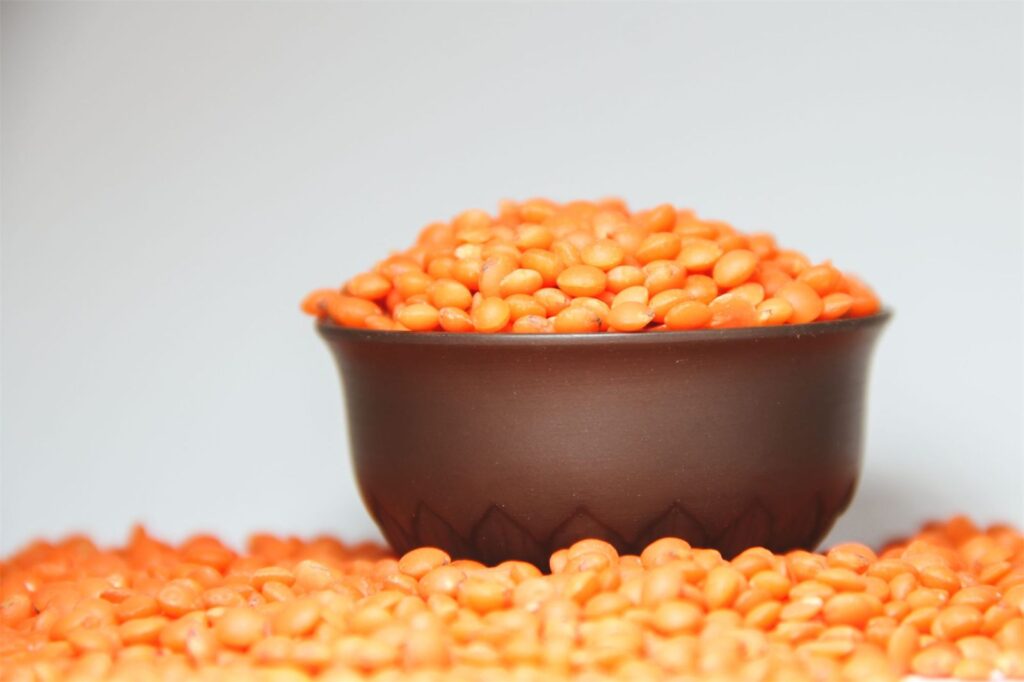
| 7. Red lentils | 2-3 tablespoons, rinsed | 15-20 minutes | Earthy, mild | Dal, vegetable and chickpea curries |
| 8. Mashed potato | 1 small boiled potato, mashed | 5 minutes | Neutral, soft | Potato, vegetable and chickpea curries |
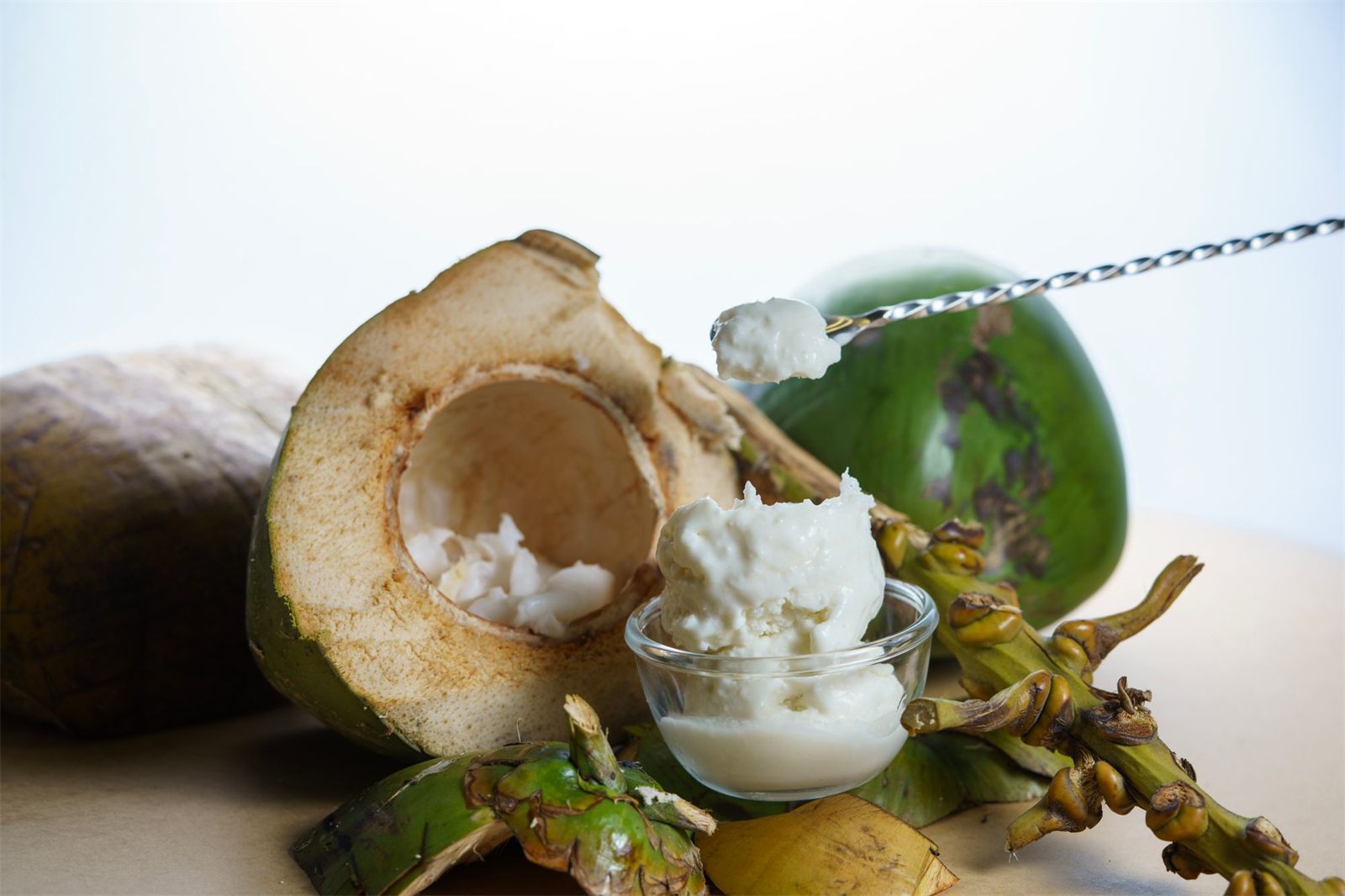
| 9. Coconut cream | 1/2 cup | 5 minutes | Rich, sweet | Coconut and South Indian curries |
Cornstarch slurry: the fast fix
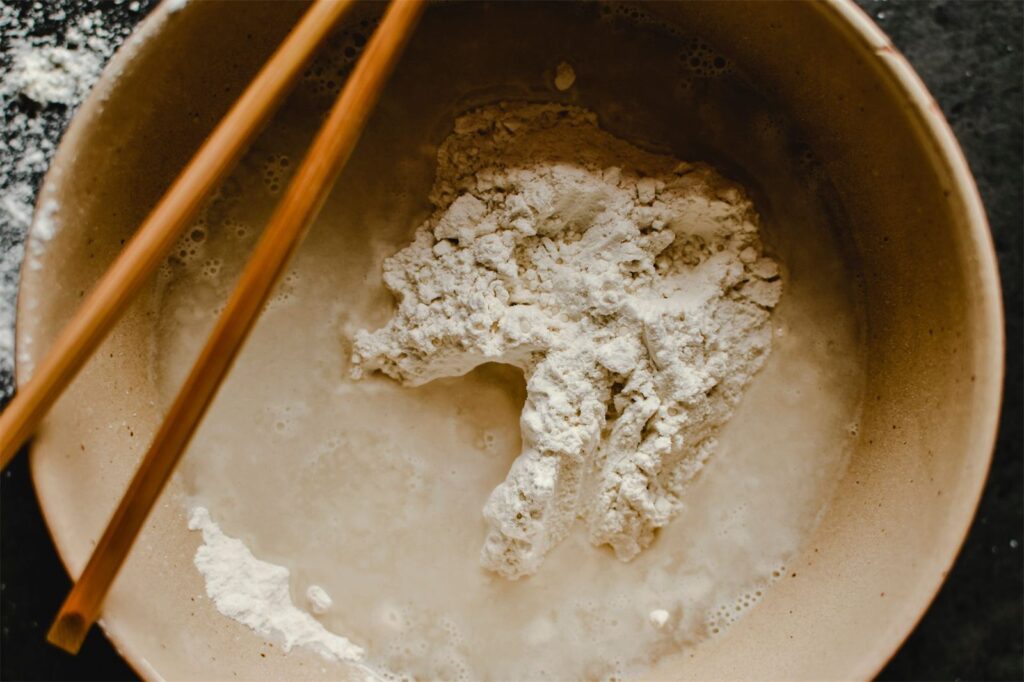
Cornstarch is pure starch, so a little goes a long way. Always mix it with cold water first; America’s Test Kitchen’s guide to thickeners warns that cornstarch clumps if you skip the slurry, and that it loses its thickening ability with prolonged heat. So add it near the end, stir it into a gently bubbling curry, and simmer for a minute or two until glossy.
Cornstarch is common in Indo-Chinese dishes like chili chicken, but in a North Indian curry it can give a slightly slick, glossy texture some cooks dislike.
How do you thicken curry without cornstarch?
Use one of the traditional Indian thickeners, which add flavor as well as body. Cashew paste makes cream curries rich, toasted chickpea flour (besan) adds a nutty body, a blended fried onion thickens meat curries, and a few tablespoons of red lentils dissolve into vegetable curries in 15-20 minutes. Mashed potato and coconut cream are simple too. Reducing with the lid off needs nothing at all.
For cashew paste, soak raw cashews in hot water for 15-20 minutes, then blend with a splash of water until smooth. An immersion blender is handy for this and for blending part of the sauce itself; see the best immersion blenders for smooth curry sauces.

Can I use flour to thicken curry?
Yes. Flour has about half the thickening power of cornstarch: University of Illinois Extension notes it takes twice as much flour (2 tablespoons per cup of liquid) to match 1 tablespoon of cornstarch, and that flour makes a sauce cloudy and opaque while cornstarch looks glossy. Those amounts are for gravy; a curry that is only a little thin needs much less.
Whisk flour into cold water before adding it, then simmer at least five minutes so it loses its raw taste. Chickpea flour is the Indian alternative: toast it in ghee until it smells nutty, then whisk in a ladle of sauce before stirring it back.
How long to simmer curry to thicken?
As a rule of thumb, 10-20 minutes uncovered for a curry that is a little thin, and up to 30 minutes for a very watery one. Stir the bottom every few minutes, because a reducing sauce can stick and scorch, and a scorched base turns bitter (see why curry tastes bitter). Meat can toughen and vegetables can turn mushy with long cooking, so lift them out if the sauce needs much more time.

Does curry thicken as it cools?
Yes, noticeably. Starches from flour, lentils, potatoes and onions set further as the sauce cools, and fats like ghee, butter and coconut fat firm up. A curry that looks slightly loose on the stove will be thicker on the plate and much thicker after a night in the fridge. Aim a little thinner than you want, and add a splash of water when reheating leftovers.
Dairy, yogurt and what to avoid
Cream and thick yogurt add body to North Indian curries, but yogurt can split if it boils. Whisk it, temper it with a ladle of hot sauce and add it off the heat; how to add yogurt to curry without curdling has the steps.
Avoid adding more curry powder to thicken; raw spice powder tastes dusty and a thin, flat curry may really be under-seasoned (see why curry tastes bland). If thickening makes it too rich or too hot, how to make curry less spicy helps, and our restaurant-style curry tips cover building a thick base from the start. For other problems, see the complete guide to fixing curry or all curry fixes.
Frequently Asked Questions
How do you thicken curry without cornstarch?
Simmer it uncovered, or add cashew paste, toasted chickpea flour, a blended fried onion, a few tablespoons of red lentils, mashed potato or coconut cream. Each adds flavor as well as body.
Should I cook curry with the lid on or off?
Off, to thicken. A lid traps steam and keeps the sauce the same thickness. Use the lid while the main ingredients cook, then remove it for the last 10-20 minutes.
Does curry thicken as it cools?
Yes. Starches set and fats firm up as the sauce cools, so curry is thicker on the plate and much thicker after chilling. Leave it slightly loose on the stove.
Can I use flour to thicken curry?
Yes. Use about twice as much flour as you would cornstarch, whisk it into cold water first, and simmer for at least five minutes to cook out the raw taste. Chickpea flour toasted in ghee is a tastier Indian option.
How long to simmer curry to thicken?
Usually 10-20 minutes uncovered, up to about 30 minutes for a very watery curry. Stir the bottom often so it does not scorch.