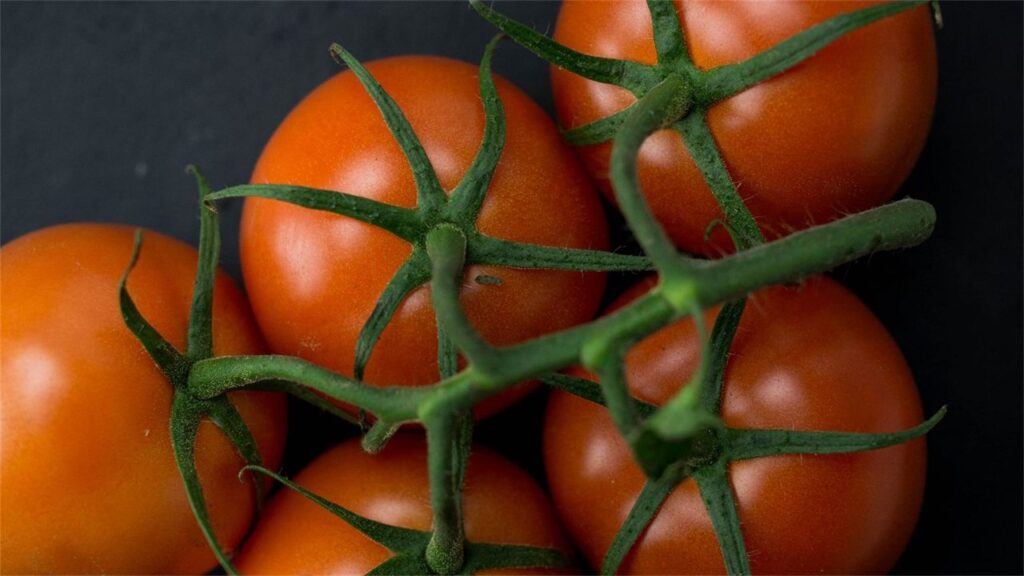
A curry too sour usually has one ingredient doing too much: tomatoes that were not cooked down, a heavy spoonful of tamarind, tangy yogurt, or lemon or vinegar added early. The fix depends on which one it is. Most sour curries can be balanced in a few minutes with sweetness, fat, dilution or, carefully, a tiny pinch of baking soda.
Quick answer
How do you fix a curry that is too sour?
To reduce sourness in curry, first simmer raw-tasting tomato longer, then add a pinch of sugar or jaggery (about ¼ teaspoon per 3 cups) and a little cream, coconut milk or butter. For stubborn tomato acidity, try ⅛ teaspoon baking soda per 3 cups and taste; more can taste soapy and flat.
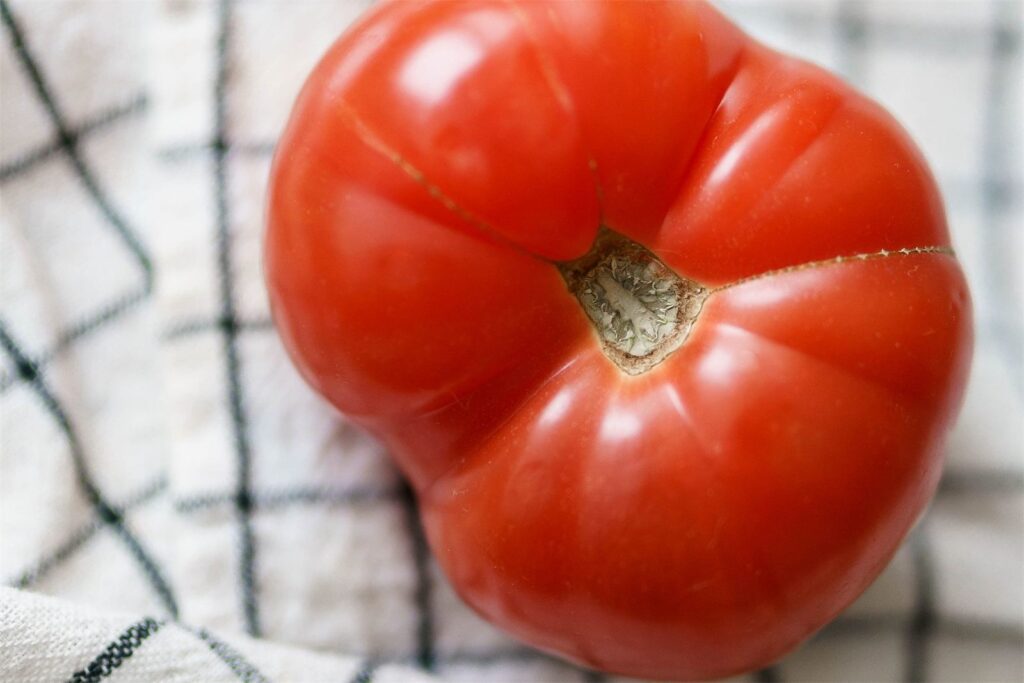
Why is my tomato curry sour?
A tomato curry tastes sour when the tomatoes are still sharp and raw-tasting, or when there is simply too much tomato for the other ingredients. Tomatoes are naturally acidic, and underripe fresh tomatoes or tomato paste that was not fried well bring a harsh tang. Short cooking leaves that edge in place. Lemon, tamarind or tangy yogurt on top of a tomato base adds even more sourness.
Tomato acidity also varies. A Kansas State Research and Extension food safety article notes that home-canned tomatoes need added bottled lemon juice, citric acid or vinegar for safe canning. Many store-bought cans also list citric acid on the label, so it is worth checking the can.
How do you reduce acidity in curry?
Reduce acidity in curry by working from gentle fixes to strong ones. Cook the tomato base longer, add a little sweetness, then add fat or more body, and use baking soda only as a last step for tomato-based curries. Taste after every addition, because a small change goes a long way. Here are the six fixes in order:
- Cook it down. If the sauce tastes raw and tangy, simmer it uncovered for 10 to 15 minutes more, stirring often. A longer cook rounds out a raw tomato edge.
- Add a pinch of sweetness. Sugar or jaggery balances sourness without dulling the flavor.
- Add fat. Cream, coconut milk, butter or ghee softens how sharp the curry tastes.
- Dilute. Add more unsoured base, such as sautéed onion, stock, cooked lentils or vegetables. If it goes thin, see how to thicken a watery curry.
- Check the salt. Under-salted food can taste sharper. Add a pinch and taste, but go slowly; see how to fix a curry that is too salty if you overshoot.
- Baking soda, last. A tiny amount neutralizes some acid in tomato curries. Details below.

Curry too sour? Match the fix to the sour ingredient
Each sour ingredient behaves a little differently, so match the fix to the source. Amounts are starting points for about 3 to 4 cups of curry.
| Sour source | Taste clue | Best fix | Avoid |
|---|---|---|---|
| Raw or excess tomato | Sharp, raw, tomatoey | Simmer longer, then ¼ tsp sugar; ⅛ tsp baking soda if still sharp | Adding more tomato paste |
| Tamarind | Fruity, puckering, dark | Jaggery or brown sugar, plus more base or coconut milk | Baking soda, which dulls the fruity flavor |
| Tangy yogurt | Milky sour, sometimes grainy | A spoonful of cream, a pinch of sugar, more onion base | Boiling, which can split the yogurt |
| Lemon or lime juice | Bright, sharp, fresh | Dilute and add a pinch of sugar or a little ghee | Adding more citrus to balance salt |
| Vinegar | Sharp, pungent smell | Simmer uncovered a few minutes, then sugar and fat | Covering the pot, which traps the vapor |
| Amchur or kokum | Tart, dry, lingering | Dilute and add sweetness or coconut milk | Adding lemon on top |

Does sugar fix sour curry?
Yes, sugar is often the best first fix for a sour curry. Sugar does not remove acid, but it changes how you perceive it, so the sauce tastes balanced instead of sharp. In a side-by-side tasting reported by America’s Test Kitchen on toning down tomato sauce, ¼ teaspoon of sugar per 3 cups made the sauce taste “bright, balanced” and more tomatoey. Jaggery works the same way and adds a slight caramel note that suits tamarind.
Add it in pinches. Too much sugar swaps one problem for another; if that happens, see how to balance a curry that is too sweet.
Does baking soda fix sour curry?
Baking soda can fix a sour tomato curry, but use very little. Baking soda is alkaline, so it reacts with acid, fizzes briefly and raises the pH of the sauce. In the same America’s Test Kitchen tasting, though, the baking soda sample tasted “a bit flat” even at ⅛ teaspoon per 3 cups, because it also mutes the bright flavor of the tomato. Too much leaves a soapy, chemical taste that is hard to undo.
- Start with ⅛ teaspoon (a large pinch) per 3 to 4 cups of curry.
- Stir it in over low heat. It will foam for a few seconds.
- Wait a minute, then taste before adding any more.
- Stop well before ¼ teaspoon per 3 cups. If the sauce tastes soapy, some cooks add a splash of lemon juice to react with the leftover soda; it can help a little, but it will not fully restore the flavor.
Baking soda is a poor choice for tamarind, amchur or yogurt sourness, where the tang is part of the dish’s character.
Can cream balance acidity?
Yes. Cream does not neutralize acid, but its fat softens how sharp a curry tastes, which is why tomato curries like butter chicken pair the two. Start with 2 to 3 tablespoons of heavy cream per quart and stir it in over low heat. Heavy cream holds up to gentle simmering better than yogurt; if you use yogurt instead, follow our steps on adding yogurt to curry without curdling. Coconut milk and butter work the same way.
How do you avoid a sour curry next time?
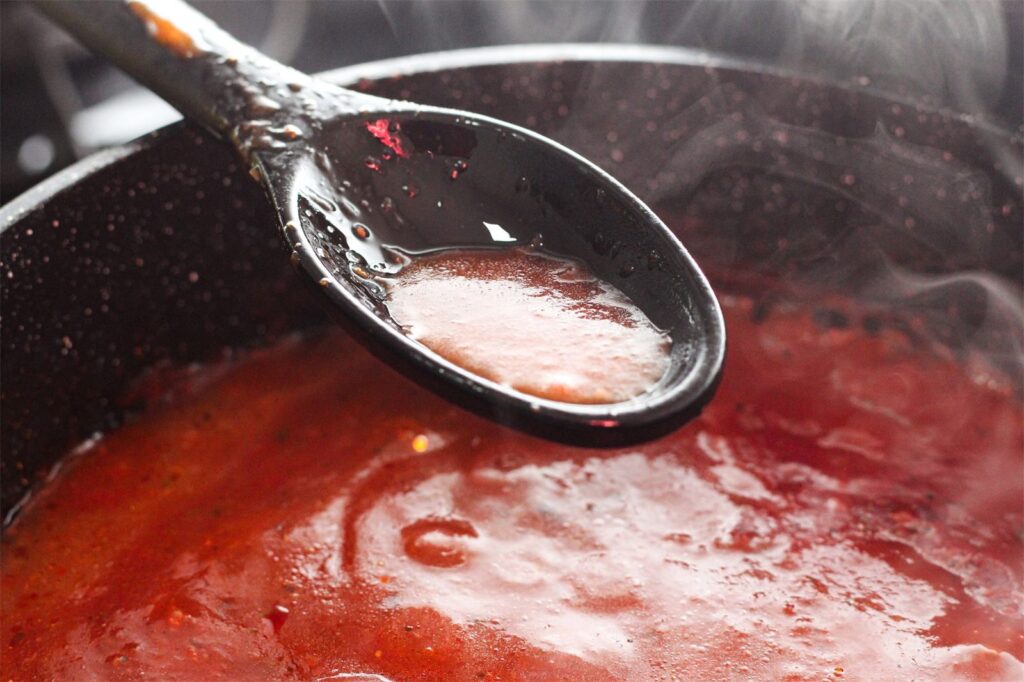
- Choose ripe tomatoes. Deep red, ripe tomatoes, or good canned tomatoes, taste rounder than pale, underripe ones. Fresh vs canned tomatoes for curry shows which to use when.
- Cook the tomato base fully. Fry tomato paste for a minute or two in oil, and cook chopped tomatoes until they break down and the oil starts to separate.
- Add strong sour ingredients in stages. Tamarind, amchur and vinegar can always be added, never removed.
- Finish with lemon. Add citrus at the end, off the heat, and taste first.
Sourness and heat often feel stronger together; if the curry is also too hot, see how to make a curry less spicy. If it tastes harsh rather than sour, why a curry can taste bitter covers that, and our complete guide to fixing curry has every other problem. More quick fixes live in the Fix My Curry section.
Frequently Asked Questions
How do you reduce acidity in curry?
Simmer the tomato base longer, then add a pinch of sugar or jaggery and a little cream, coconut milk or butter. Diluting with more onion base or stock also helps. Use a small pinch of baking soda only for tomato-based curries.
Does baking soda fix sour curry?
It can for tomato curries. Start with about ⅛ teaspoon per 3 to 4 cups, let it foam, then taste. Too much makes the curry taste flat or soapy, and it is a poor fix for tamarind or yogurt sourness.
Why is my tomato curry sour?
Usually the tomatoes were underripe, not cooked down long enough, or used in too large an amount. Lemon, tamarind or tangy yogurt on top of a tomato base makes it more sour.
Does sugar fix sour curry?
Yes. A small amount, about ¼ teaspoon per 3 cups, balances the sour taste without flattening the flavor. Add it in pinches and taste between additions.
Can cream balance acidity?
Yes. The fat in cream softens a sharp, sour taste. Stir in 2 to 3 tablespoons per quart over low heat. Coconut milk and butter work too.