Why are my pakoras soggy, even when they looked crisp coming out of the pan? Water is the answer nearly every time. It comes from thin batter, from the vegetables, or from steam trapped after frying, and oil that is too cool to drive it off makes everything worse.
Below are seven causes with a fix for each, the oil temperature to aim for, and how to keep a party batch crunchy.
Quick answer
Why are my pakoras soggy?
The oil was probably too cool or the batter too wet. Fry small batches at 350 to 375°F, use just enough water to make a thick, sticky batter, squeeze watery vegetables, swap in some rice flour, and drain on a wire rack, never in a pile.

Why are my pakoras soggy? 7 causes and fixes
| Cause | Clue | Fix |
|---|---|---|
| 1. Oil too cool | Pale, greasy, few bubbles | Heat to 350 to 375°F and check with a thermometer |
| 2. Batter too thin | Runs off the vegetables | Add besan a spoonful at a time until it clings |
| 3. Wet vegetables | Puddle in the bowl, soft centers | Salt, rest, squeeze; pat washed greens dry |
| 4. Crowded pot | Sizzle dies when you add more | About 5 at a time; let the oil recover |
| 5. No rice flour or starch | Crisp at first, soft in minutes | Swap a quarter of the besan for rice flour |
| 6. Batter left to sit | Thick batter turned loose | Add the water last and fry right away |
| 7. Drained in a pile | Bottoms go limp first | Blot quickly, then a wire rack in one layer |
Not sure which is yours? Fry one test pakora alone. If it comes out crisp, your batter is fine and the crowd was the problem. If it is limp, fix the batter first.
What temperature should oil be for pakoras?
Aim for 350 to 375°F. Sources sit within that range: Slurrp says about 180°C (roughly 350°F), RecipeTin Eats 350°F, Foodess around 375°F. America’s Test Kitchen (ATK), in its article on turning a crisper drawer into pakoras, held the oil at 370 to 380°F and fried just five at a time for deeply browned fritters that were not greasy.
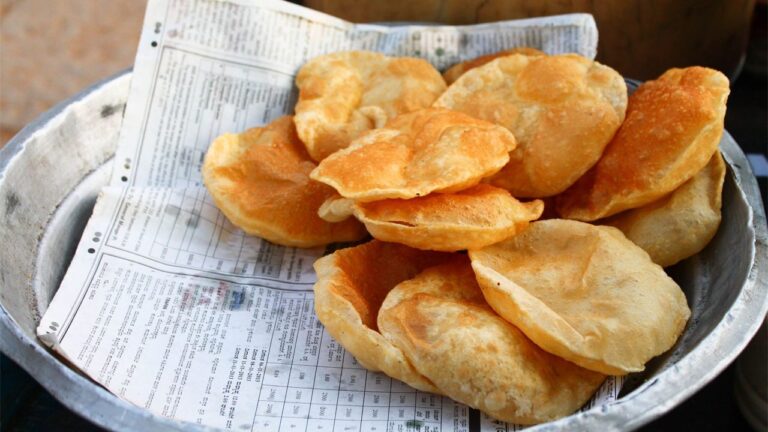
Without a thermometer, drop in a bit of batter. It should sizzle and rise without browning at once, says Swasthi’s Recipes. Oil that is too hot browns the outside and leaves raw batter inside. Fried breads need hot oil too, as puri vs bhatura explains.
Pakora batter not crispy? Fix the bowl
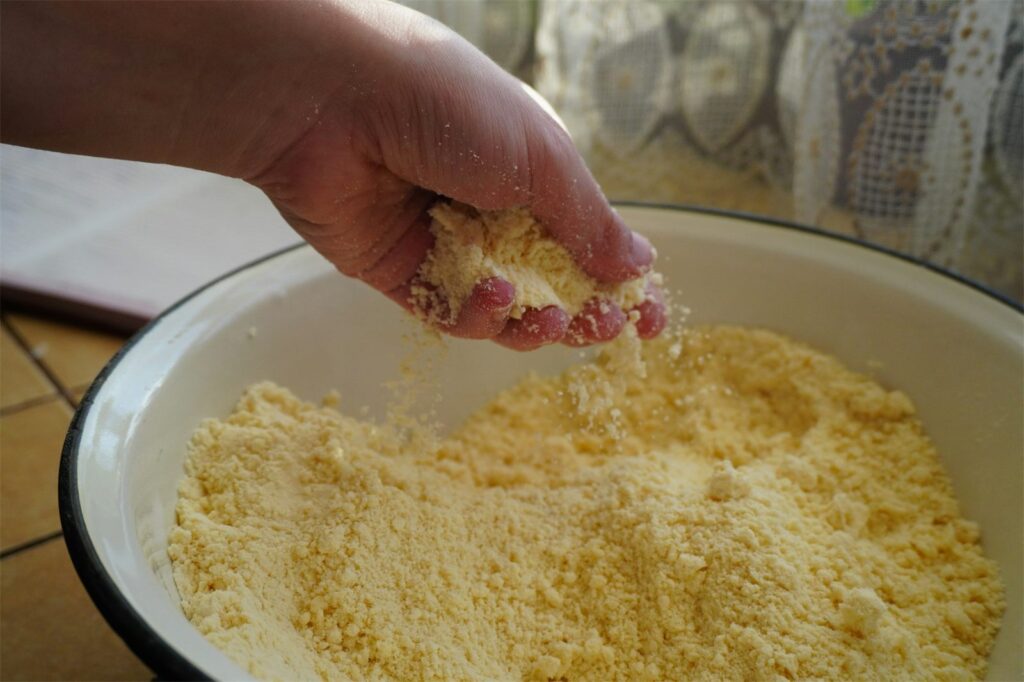
Keep it thick. ATK used only 1/4 cup of water with 3/4 cup of besan to hold 4 cups of vegetables, and Swasthi’s Recipes describes a sticky dough, not a batter. Start with half the water you expect to need, because salt pulls more out of the vegetables as you mix.
- Use the vegetables’ own water. Diaspora Co. tosses vegetables with the dry ingredients for 15 to 30 minutes, massages out the moisture, then adds water a little at a time.
- Squeeze very wet ones. Foodess salts vegetables, lets them stand and squeezes out the water first.
- Check the flour. Supermarket chickpea flour needs more water than besan, so a recipe written for one can turn runny or stiff with the other. Besan vs chickpea flour has the swap.
- Mix, then fry. Sources disagree on resting: one Slurrp guide suggests both mixing just before frying and resting 15 to 30 minutes. If vegetables are already in the bowl, frying soon is safer.
Seeds change flavor, not crunch. If you are out of the usual carom or kalonji, see the best substitute for ajwain or the nigella seeds substitute guide.

Does rice flour make pakoras crispy?
Yes, according to most cooks. Swasthi’s Recipes says rice flour gives a great crunch and cuts oil soaking, with cornstarch as the street-stall alternative. Rouxbe, an online culinary school, adds that both fry up crispier than wheat flour, whose gluten makes a chewier, oilier crust.
Start with about 1 part rice flour to 3 parts besan, or 1 tablespoon of cornstarch per 1/2 cup of besan. Buy bags labeled gluten-free if that matters at your table.
Leavening does a different job. ATK found baking powder gave fritters a lightness unleavened versions lacked. A pinch of baking soda works similarly; as a rule of thumb, stop at a pinch per cup of flour, since more can taste soapy and make the crust fragile.
Does double frying help?
It does. NPR’s look at the science quotes Serious Eats columnist Kenji Lopez-Alt: as fried food cools, moisture from the center moves to the surface and softens it, and the second fry boils it off again. Fry until pale gold, rest at least 10 minutes on a rack, then fry 1 to 2 minutes more just before serving.
Air fryers are better at reheating than at cooking pakoras. Tasting Table notes that hot air cannot set a wet batter quickly, so it drips. Very thick, sticky mixtures can work, but expect a drier crust.

How do you keep pakoras crispy for a party?
Drain them on a rack and hold them in a low oven. ATK uses a wire rack set in a baking sheet in a 200°F oven; RecipeTin Eats uses 175°F. Food Republic explains why flat paper towels fail: with no air underneath, the food steams from below.
- Blot for a few seconds first. NPR’s food engineer says cooling food sucks surface oil inward.
- Never cover with foil or stack in a bowl.
- Salt and dust with chaat masala or a substitute at the table, not while holding.
- Keep wet dips on the side. If yours is thin, see why raita turns watery.
Pakoras that go into kadhi or sit beside chana masala or chole soften on purpose. Greasy ones will leave oil on the gravy, and removing oil from curry shows how to skim it. For a full table, types of Indian curry has ideas.
Frying safely on a US stove
Use a heavy pot no more than half full of oil, pat food dry, and stay with it. The University of Illinois Extension page on kitchen fires says never to leave frying food unattended and to keep water away from hot oil, since it flashes to steam.
If oil catches fire, wear an oven mitt, slide a lid or baking sheet over the pan, turn off the burner and leave it covered until cool. Baking soda can put out a small grease fire. Never pour on water, and do not carry the pot.

Frequently Asked Questions
Why are my pakoras soggy?
Cool oil, thin batter, wet vegetables or a crowded pot. Crisp ones go soft later if they are piled up or covered.
What temperature should oil be for pakoras?
350 to 375°F, checked with a thermometer and allowed to recover between batches.
Does rice flour make pakoras crispy?
Yes. Start by swapping a quarter of the besan for rice flour, or add about a tablespoon of cornstarch per 1/2 cup.
How do you keep pakoras crispy for a party?
Hold them in one layer on a rack in a 175 to 200°F oven, uncovered, or fry once ahead and again before serving.
Can you reheat pakoras?
Yes. RecipeTin Eats uses a rack in a 350°F oven for 12 to 15 minutes. Skip the microwave, and eat leftovers within 3 to 4 days; how to reheat samosas compares the methods.
Why are my pakoras hard?
Usually a batter that is too thick, which fries up dense, or a low flame that keeps them in the oil too long. Loosen the batter slightly and raise the heat.
Next: another batter to get right, in dosa vs uttapam.