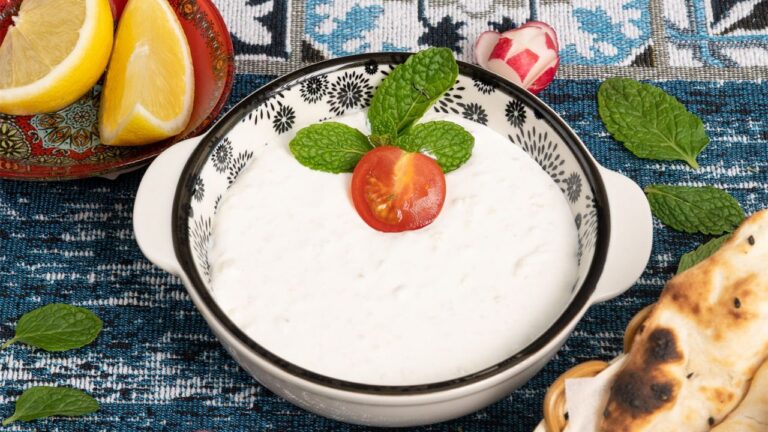
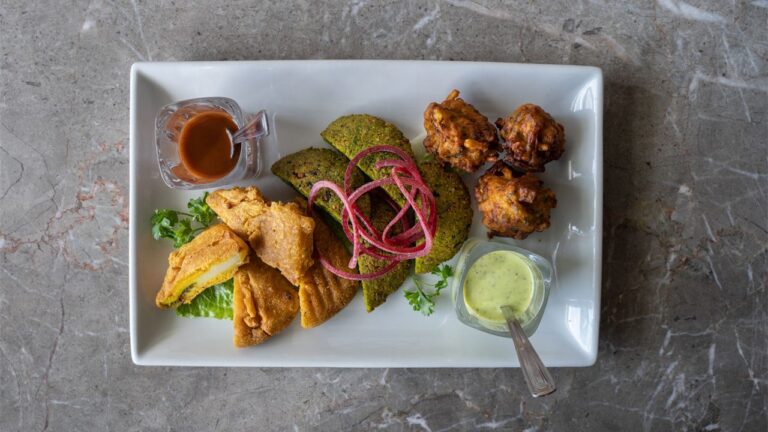
Dahi vs yogurt is mostly a question of culture and texture, because dahi is the everyday yogurt of Indian kitchens. It is also called curd in Indian English. For most recipes, plain whole-milk yogurt from a US store stands in well, as long as you pick the right tub for the job.
Below: what sets dahi apart, where sources disagree, the label words worth reading, and a table that matches US yogurts to Indian dishes.
Quick answer
Is dahi the same as yogurt?
Nearly. Dahi is Indian yogurt, traditionally set at home with a spoonful of the last batch, so its cultures and tang vary. US yogurt must contain two specific bacteria. Use plain whole-milk yogurt as the everyday match, and thin Greek yogurt with water before it goes into curry, raita or lassi.
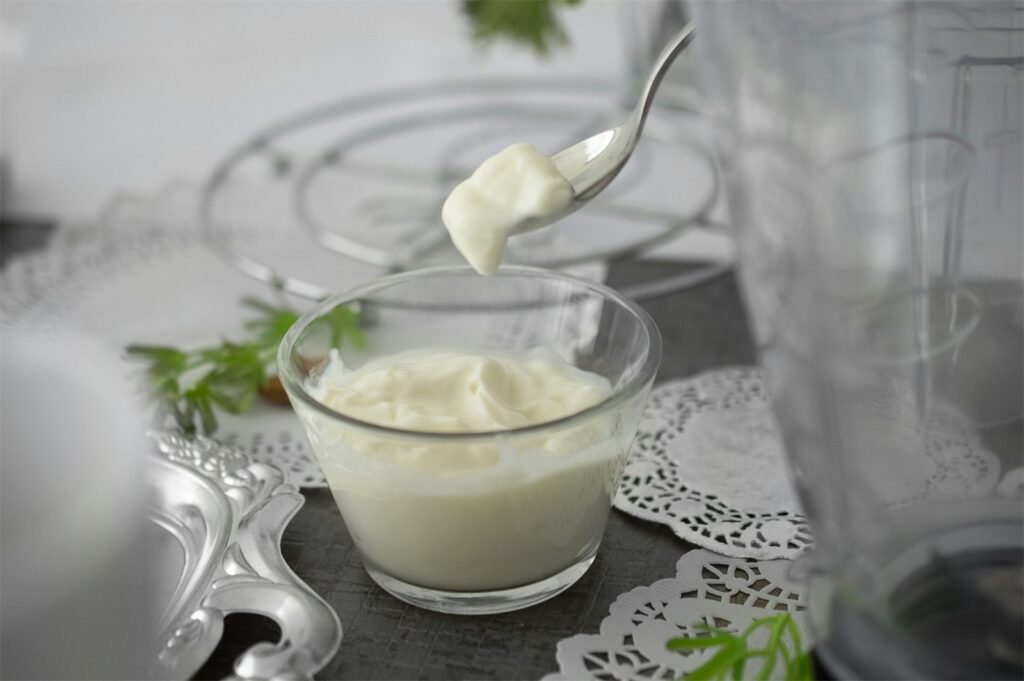
Is curd the same as yogurt?
In Indian recipes, yes. “Curd” there means dahi, not the cheese curds sold in US stores and not the soft curds you strain for paneer. Wikipedia notes that Indian English uses curd for homemade yogurt and tends to keep “yogurt” for the commercial kind.
The two kinds of curd form differently. Dahi sets slowly as bacteria make lactic acid in warm milk. Paneer curds form at once when acid hits hot milk, as our page on milk not curdling for paneer explains, and pressing turns them into cheese; see why paneer turns rubbery.
Dahi vs yogurt: what is different?
Three things: the cultures, the consistency and the tang. All three shift with the maker, so treat these as tendencies.
- Cultures: US yogurt is defined by law. The FDA standard for yogurt, 21 CFR 131.200, requires Lactobacillus delbrueckii subsp. bulgaricus and Streptococcus thermophilus. Dahi has no single recipe. Indian dairy researchers describe it as made with Lactococcus lactis, alone or with lactobacilli, or by adding a little of an old batch. Wikipedia lists both groups.
- Consistency: homemade dahi is unstrained, so it is softer and gives off whey. Onmanorama calls it slightly loose or watery, depending on milk, time and room temperature.
- Tang: disputed. In its tasting for a guide to yogurt around the world, America’s Test Kitchen (ATK) found store-bought dahi mild and milky. Homemade dahi can be mild one day and sour the next.
Packaged dahi blurs the line further. One of the two brands ATK tasted listed the same two bacteria as any US yogurt, plus others.

Which US yogurt should you use for Indian food?
| Job | Best US tub | Also works | Avoid |
|---|---|---|---|
| Curry sauce, korma | Plain whole-milk | Whole-milk Greek, thinned | Nonfat, flavored |
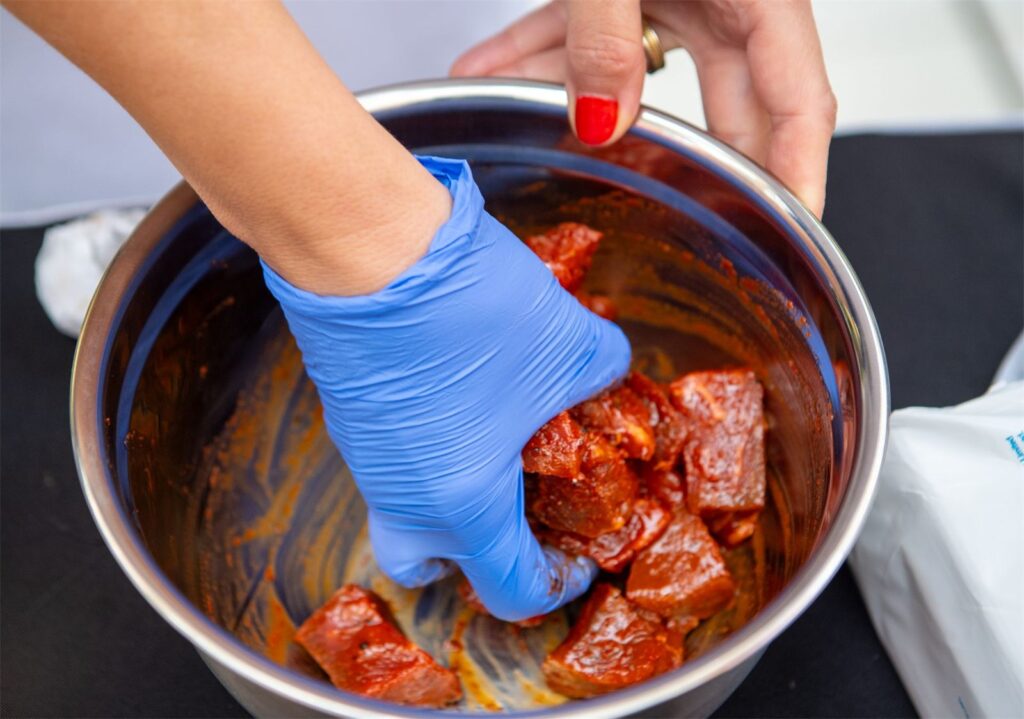
| Tandoori or tikka marinade | Whole-milk Greek (it clings) | Plain, drained 30 minutes; skyr | Sweetened |
| Raita | Plain whole-milk | Greek, thinned; low-fat | Very tart yogurt |
| Lassi | Plain whole-milk | Greek, with more water | Sour or gummy yogurt |
| Kadhi | Plain, a few days old and tangy | Plain plus a squeeze of lemon | Very thick Greek, unthinned |
| Beside paratha or biryani | Packaged dahi | Plain whole-milk | Vanilla or sweetened |
Kadhi, as ATK describes it, is a yogurt sauce thickened with chickpea flour; besan vs chickpea flour covers the thickener. For the spice side of a marinade, see the tandoori masala substitute guide. Too long in any marinade has a cost, covered in why chicken turns tough in curry.
Can I use Greek yogurt instead of dahi?
Yes, with water. Greek yogurt and skyr are strained, which removes liquid whey and leaves them much thicker than dahi. As a starting point, whisk 1/4 cup of water or milk into 1 cup of Greek yogurt for curry or raita, and more for a drink. If the raita thins out later, see why raita turns watery. Swasthi’s Recipes starts its lassi with 3/4 cup of water for 2 cups of curd when the yogurt is Greek.
Leave it thick for marinades and dips. In hot sauce, fat matters more than thickness; tempering, starch and fat levels are in yogurt curdled in curry. If thinned yogurt leaves the gravy loose, use a method from how to thicken curry.
Label words worth checking
- Plain. Under the FDA standard, added sugar without a flavor must be labeled “sweetened.” Vanilla is not plain.
- Whole milk. Standard yogurt has at least 3.25 percent milkfat. A tub between 2.44 and 3.25 percent must state its fat on the label.
- Live and active cultures. Needed if you want a starter for homemade dahi. Yogurt heat-treated after culturing must say it “does not contain live and active cultures.”
- Pectin, gums, starch. Stabilizers are allowed. They thicken without straining, so the tub may look richer than it is. For cooking, the shortest list is the simplest choice.
Indian grocery stores also sell tubs marked dahi. Some add skim milk or milk solids, so read those too. To set your own, the yogurt program covered in is an Instant Pot good for Indian cooking takes out the guesswork.
What dahi does in Indian cooking
It is a sauce base in mild curries such as those in korma vs tikka masala, a marinade, a drink and a cooling side. It sits next to flatbreads, as in paratha vs roti, and it wets the batter for instant rava idli; sooji vs semolina covers that grain.

Frequently Asked Questions
Is dahi the same as yogurt?
Close. Dahi is Indian yogurt, often homemade with a saved starter, so its cultures and tang vary more than US yogurt’s. Plain whole-milk yogurt replaces it one for one.
Is curd the same as yogurt?
In Indian recipes, yes: curd means dahi. It does not mean cheese curds.
Can I use Greek yogurt instead of dahi?
Yes. Thin it with about 1/4 cup of water per cup for sauces and raita. Use it as is for marinades.
What is the best yogurt for Indian curry?
Plain, unsweetened, whole-milk yogurt with a short ingredient list. Add it off the boil.
Can I use sour cream instead of dahi?
In a pinch, for finishing a rich curry off the heat. It is too fatty and thick for lassi or kadhi, and it can curdle too.
Why does Indian yogurt taste different?
Homemade dahi uses a saved starter, with whatever bacteria live in it, and sets at room temperature. Milk and setting time change the taste as well.
Next: biryani vs pulao, and which one comes with raita.