Besan vs chickpea flour is a fair question, because both bags say chickpea and both hold a fine, pale yellow powder. They are close relatives, not quite the same thing. Besan, also called gram flour, is usually ground from chana dal, the split desi chickpea. The chickpea flour or garbanzo bean flour sold in most US supermarkets is usually ground from the larger tan chickpeas you find in cans.
Those two chickpeas behave a little differently once they are flour. Below we cover what each is, how they differ in texture, water and taste, and when you can swap one for the other.
Quick answer
Is besan the same as chickpea flour?
Not exactly. Besan is made from split desi chickpeas (chana dal) and is finer, smoother and milder. US chickpea flour is usually made from whole tan kabuli chickpeas and is coarser, needs more water and tastes a little more bitter raw. They can replace each other in most recipes if you adjust the liquid.

What is besan?
Besan is the Hindi name for gram flour, a staple across Indian cooking. Wikipedia’s article on gram flour describes it as a pulse flour made from chana dal (split Bengal gram), or from brown kala chana. Vegan Richa, a long-running vegan Indian recipe site, adds that some besan is milled from a mix of chana dal and split peas, so the label is worth reading.
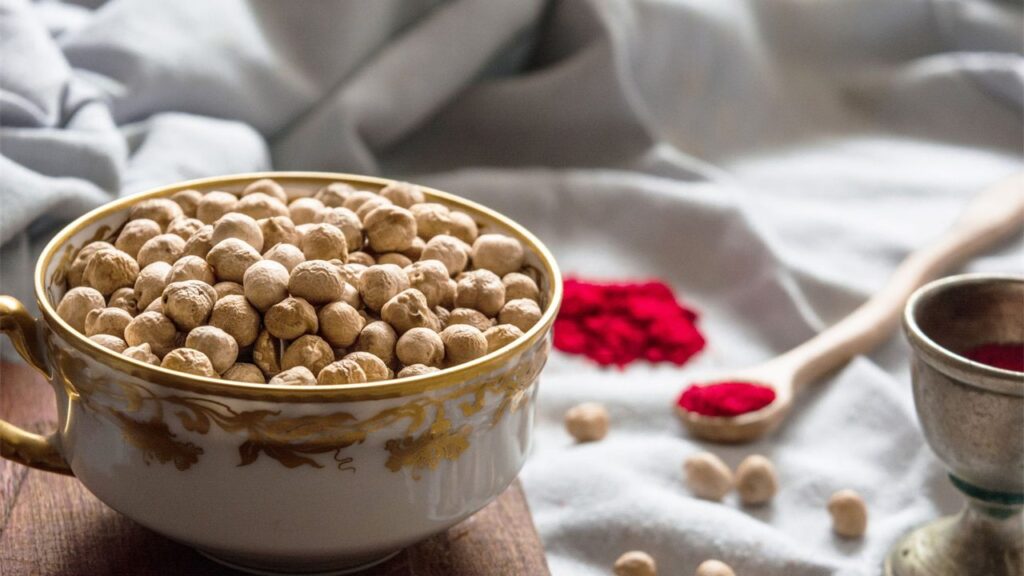
Chana dal comes from the desi chickpea, which Wikipedia describes as small and dark with a rough coat, the most common type in South Asia. The large, smooth, tan chickpea sold in cans in the US is the kabuli type. Our guide to toor dal vs chana dal explains how chana dal behaves whole, and the guide to the types of dal shows where it fits on the dal shelf.
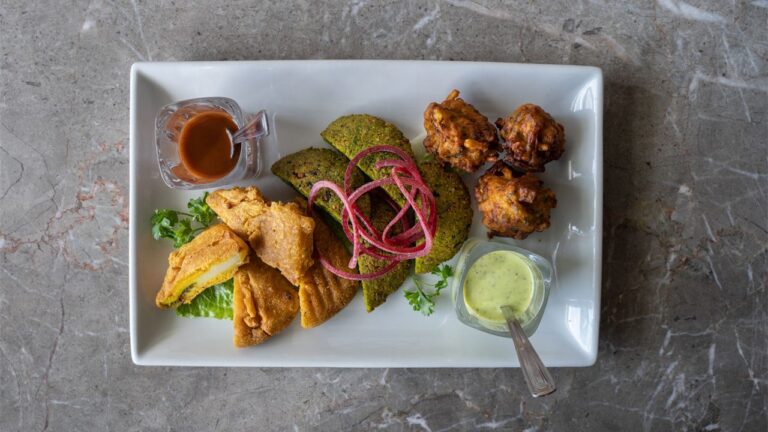
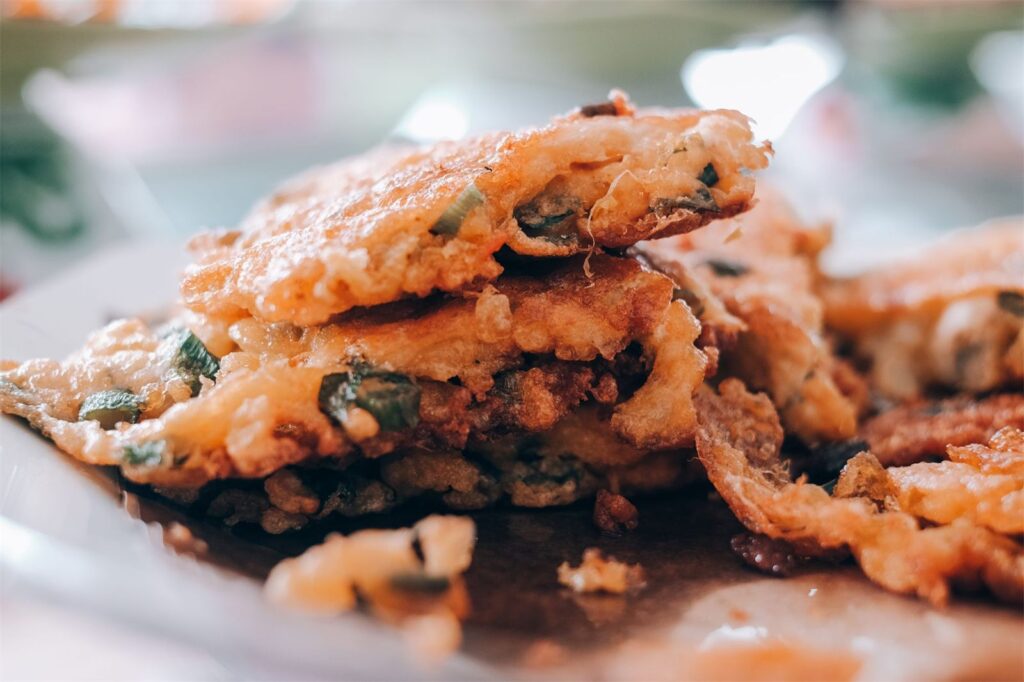
In the kitchen, besan is the base of pakora and bhaji batter, kadhi, chilla pancakes, dhokla and sweets such as besan ladoo. Toasted, it also thickens sauces and steadies yogurt in a curry.
Besan vs chickpea flour: side by side
| Feature | Besan (gram flour) | Chickpea or garbanzo flour |
|---|---|---|
| Made from | Split desi chickpeas (chana dal), sometimes with split peas | Whole tan kabuli chickpeas, usually |
| Texture | Finer, smoother, denser | Coarser, lighter, fluffier |
| Water needed | Less | More for the same batter |
| Raw taste | Milder, less bitter | Stronger, more bitter raw |
| Where to buy in the US | Indian and South Asian grocers | Supermarket baking or gluten-free aisle |
| Labels to look for | Besan, gram flour, chana flour | Chickpea flour, garbanzo bean flour |
| Best for | Pakora, kadhi, chilla, dhokla, ladoo | Socca, frittatas, gluten-free baking |
Labels are not always reliable. Vegan Richa notes that a bag marked besan can turn out to be chickpea flour, and the reverse, so if a batter behaves oddly, the flour may be the reason.
What is the difference between gram flour and chickpea flour?
Gram flour is another name for besan, so the difference is the same: gram flour comes from split desi chickpeas and is finer, while chickpea flour sold in the US usually comes from whole kabuli chickpeas and is coarser. Both are naturally gluten-free and high in protein. In British and Indian recipes, gram flour almost always means besan.
The differences show up most in batters. Vegan Richa, who cooks with both, explains that besan is finer and needs less water, while chickpea flour needs more water to reach the same consistency and bakes up a little drier. She also finds chickpea flour more bitter when raw, with a flavor that takes longer to cook out.
Can I use chickpea flour instead of besan?
Yes, in most Indian recipes. Chickpea flour is the best besan substitute you can find in a US supermarket. Start with the recipe’s amount of flour, but hold back a little of the liquid at first, then add more a spoonful at a time until the batter looks right; chickpea flour usually ends up needing a bit more. Cook the batter or dough fully so the raw, beany taste goes away.
Going the other way, besan works in most chickpea flour recipes, but use a little less liquid or a little more flour. In gluten-free baking built around chickpea flour, results can change more, so expect some trial.
- Pakoras and bhajis: either flour works; adjust the water.
- Kadhi: either, whisked smooth into the yogurt before heating.
- Chilla pancakes: besan spreads more smoothly; chickpea flour gives a thicker pancake.
- Socca or frittatas: chickpea flour is the usual choice.

What can I use instead of besan?
If you have neither besan nor chickpea flour, the best swap depends on what the besan was doing:
- Thickening a curry: all-purpose flour or cornstarch, cooked for a few minutes; our guide to how to thicken a watery curry gives starting amounts.
- Steadying yogurt so it does not split: a little cornstarch or all-purpose flour whisked into the yogurt; see yogurt curdled in curry for why it works.
- Crisp fritter batter: rice flour mixed with some all-purpose flour gives a crisp coating, though without the nutty chickpea taste. This is a rule of thumb, not a like-for-like swap.
- Chilla: a batter of soaked, ground moong dal is a traditional alternative.
Wheat flour is not a swap for gluten-free cooking. If gluten is the reason you chose besan, our comparison of atta vs whole wheat flour covers the wheat side of the Indian flour shelf instead.
Is besan gluten-free and good for you?
Besan is made only from pulses, so it is naturally gluten-free. Wikipedia’s nutrition panel for chickpea flour lists about 387 calories, 22 grams of protein and 10 grams of fiber per 100 grams, more protein than most grain flours. Diabetes Canada’s glycemic index food guide places chickpea flour in its low-GI group.
If you avoid gluten for medical reasons, buy flour labeled gluten-free, since pulse flours can be milled on shared equipment. And whichever flour you use, do not taste the raw batter: the FDA’s guidance on handling flour safely says never to eat or taste raw flour, dough or batter, because milling does not kill bacteria such as E. coli and Salmonella. Cook pakoras and chilla through. If the pakoras come out limp, see why pakoras turn soggy.

How to store besan
Store besan like any whole-grain or pulse flour: in an airtight container in a cool, dark cupboard, or in the fridge or freezer if you use it slowly. Smell it before use; stale besan smells flat or musty and can taste bitter. The same rules that keep spices fresh apply, as our guide on how to store Indian spices explains.
Chickpeas themselves are another pantry option. Whole kabuli chickpeas go into chole rather than flour; our guide to Instant Pot chickpea cooking times covers them, and chana masala vs chole explains the dishes.
Frequently Asked Questions
What is besan?
Besan is gram flour, made by grinding chana dal, the split desi chickpea. It is a staple for Indian fritters, kadhi, chilla and sweets, and it is naturally gluten-free.
Is besan the same as chickpea flour?
They are close but not identical. Besan comes from split desi chickpeas and is finer and milder; US chickpea flour usually comes from whole kabuli chickpeas and is coarser. Most recipes work with either if you adjust the water.
Can I use chickpea flour instead of besan?
Yes. Start with the same amount of flour and add the liquid gradually, since chickpea flour usually needs a little more. Cook the batter fully so the raw taste disappears.
What can I use instead of besan?
Chickpea flour is the closest swap. For thickening or steadying yogurt, use all-purpose flour or cornstarch. For a crisp fritter batter, rice flour with some all-purpose flour works, though the flavor changes.
Is besan gluten-free?
Yes, besan is made only from chickpeas. If you need to avoid gluten strictly, buy a bag labeled gluten-free, since flours can be milled on shared equipment.