A tamarind paste substitute has to do two jobs at once: add a clean sourness and a dark, fruity sweetness. Tamarind pulp tastes both sweet and sour, which is why it turns up in South Indian sambar and rasam, in chutneys, and in many curries from the south and west of India. Lime juice covers the sour part easily; the fruity depth takes a little sugar and some tasting.
Below: how to tell which tamarind product your recipe means, the swaps that work with starting amounts, and which one to pick by dish. The amounts are rules of thumb, not fixed ratios, so add them in stages.
Quick answer
What can I use instead of tamarind paste?
For most Indian dishes, use fresh lime or lemon juice sweetened with a little brown sugar or jaggery. As a rule of thumb, start with 2 teaspoons lime juice plus 1 teaspoon brown sugar for each tablespoon of tamarind paste, then taste. Amchur, pomegranate molasses and Worcestershire sauce work in some dishes too.

Tamarind paste vs concentrate: which does your recipe mean?
Check the jar before you substitute anything, because the labels are confusing. According to America’s Test Kitchen’s guide to tamarind, Thai and Indonesian jars labeled “concentrate” are really thin pastes with about 5 to 15 calories per tablespoon. Indian-style concentrate is cooked down until it is nearly black and thick like molasses, with about 40 to 50 calories per tablespoon. ATK says the two are not interchangeable.
So if a recipe asks for tamarind paste and you only have Indian concentrate, use much less. A rule of thumb: start with about a third of the amount, thin it with a little warm water, and taste. If you have a block of pulp, you can make paste instead of substituting: ATK soaks 4 ounces of pulp in 1 cup of boiling water for 10 minutes, then presses it through a strainer to remove seeds and fibers. It says the paste can be frozen indefinitely.
Tamarind paste substitutes and how much to use
Each swap below copies part of tamarind, never all of it. Pick the one that matches what your dish needs most: sourness, fruitiness or a dry tang. Amounts replace 1 tablespoon of Thai-style tamarind paste.
| Substitute | Start with (per 1 tbsp paste) | Best for | Watch out for |
|---|---|---|---|
| Lime juice and brown sugar | 2 tsp lime juice + 1 tsp brown sugar or jaggery | Sambar, rasam, most curries | Sharper and less fruity; add near the end |
| Lemon juice and sugar | 2 tsp lemon juice + 1 tsp sugar | Dal, vegetable curries | Brighter, with less depth |
| Amchur (dried mango powder) | 1/2 to 1 tsp, stirred into a little water | Chickpea curries, dry dishes | Tart but not sweet |
| Pomegranate molasses | 2 tsp, plus a squeeze of lime | Chutneys, glazes, chickpeas | Can taste sweet and fruity |
| Worcestershire sauce | 1 tsp + 1 tsp lime juice | Meat curries, marinades | Salty; many brands contain anchovies |
| Vinegar and brown sugar | 1 tsp vinegar + 1 tsp brown sugar | Quick sauces, pickled onions | Harsh if raw; simmer a minute |

Worcestershire sauce works because tamarind is one of its ingredients, along with HP Sauce, as the Wikipedia entry on tamarind notes. Its salt and vinegar come along too, so cut back on salt in the dish. Amchur is the only dry option; our guide to amchur powder and its substitutes explains what it is and how strong it tastes.
Can you use lime juice instead of tamarind?
Yes. Lime juice is the most practical replacement for tamarind in Indian cooking because it brings clean sourness and is easy to find in any US supermarket. On its own it tastes thinner and sharper, so add a little brown sugar or jaggery to fake tamarind’s fruity, caramel side. Stir it in near the end of cooking and taste before adding more, since citrus loses its fresh edge when it boils for a long time.
Jaggery gives the closest flavor, with a deeper, molasses-like sweetness than white sugar. If you have only one of the two, our comparison of jaggery vs brown sugar explains how to swap them.

Which tamarind substitute works best by dish?
The right swap depends on whether the tamarind is the main flavor or a background note.
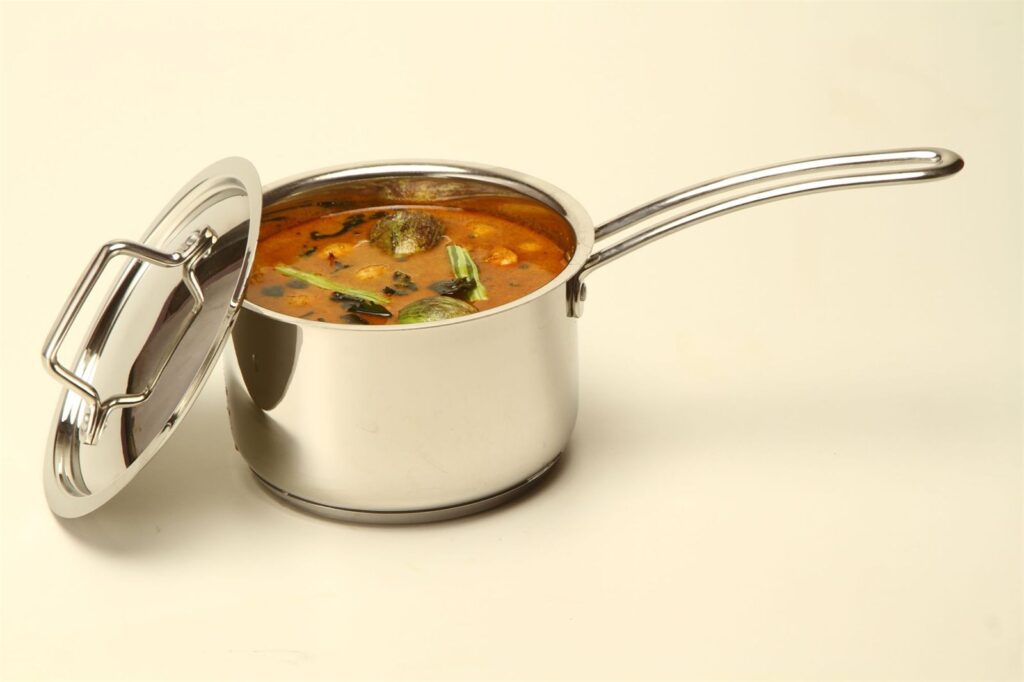
- Sambar and rasam. Lime juice with a pinch of jaggery. Sambar is usually made with toor dal, which our guide to toor dal vs chana dal covers. Add the sour part only after the dal is soft, because acid keeps lentils firm, as explained in why dal is not cooking soft.
- Chickpea curries. Amchur or pomegranate molasses. Punjabi chole already leans on dried mango and pomegranate, as our guide to chana masala vs chole explains.
- South Indian style curries. Lime and brown sugar. Our comparison of vindaloo vs Madras curry shows where tamarind sits in a Madras-style sauce.
- Sweet-sour chutneys. Pomegranate molasses with a little lime, or a couple of soaked, pitted dates blended with lime juice for body.
- Marinades and meat gravies. Worcestershire sauce with lime.
How to add a substitute without overdoing it
Add sour ingredients in stages: half the amount first, simmer a minute, taste, then add the rest if the dish needs it. Sourness can always go in, but it is hard to take out. Balance with salt as well, because an under-salted dish tastes sharper.
If the curry ends up too tart, our fixes for a curry that is too sour go through sweetness, fat and dilution by sour ingredient. If you went heavy on the sugar instead, see how to balance a curry that tastes too sweet.

Missing other pantry staples too? Our guide to ginger garlic paste substitutes covers the other common gap, and the complete Indian spices list shows which sour ingredients (amchur, anardana, kokum) are worth keeping on the shelf.
Frequently Asked Questions
Can I use lime juice instead of tamarind?
Yes. Use about 2 teaspoons of lime juice for each tablespoon of tamarind paste, plus about 1 teaspoon of brown sugar or jaggery for depth. Add it near the end of cooking and taste before adding more.
Is tamarind paste the same as tamarind concentrate?
Not always. Thai and Indonesian “concentrates” are thin pastes, while Indian concentrate is cooked down, thick and much stronger. America’s Test Kitchen says they are not interchangeable, so use far less Indian concentrate and taste as you go.
What can I use instead of tamarind concentrate?
The same swaps work, but because Indian concentrate is so strong, start with less: about 1 teaspoon of lime juice and a pinch of brown sugar per teaspoon of concentrate, then taste. Pomegranate molasses is a good match for its thick, dark character.
Can I use vinegar instead of tamarind?
Yes, in small amounts. Mix about 1 teaspoon of vinegar with 1 teaspoon of brown sugar per tablespoon of tamarind paste, and let it simmer a minute so the raw edge cooks off. It works best in quick sauces and marinades.
Can I leave tamarind out of a recipe?
You can in curries where it is a background note, though the dish will taste flatter. In sambar, rasam or tamarind chutney it is the main flavor, so use a substitute rather than skipping it.