Dal not cooking soft is one of the most common pressure cooker complaints: the whistles go, the lid comes off, and the lentils are still firm or chalky. The cause is rarely the cooker alone.
Below are the eight usual causes, a quick way to tell them apart, and how to rescue the pot you have on the stove right now.
Quick answer
Why is my dal not cooking soft?
Dal usually stays hard because the lentils are old, the water is hard, something acidic such as tomato, tamarind or lemon went in too early, there was too little water, or it did not spend enough time at full pressure. To fix it, add hot water, cook for another 1 or 2 whistles and let the pressure drop naturally. Add acidic ingredients only after the dal is soft.
Why are my lentils still hard after pressure cooking?
Lentils stay hard after pressure cooking when something slows the softening of their cell walls or cuts the cooking short. The table lists the eight usual causes, with a clue to spot each one and the fix. Two together, such as old dal plus an early tomato, make it much worse.
| Cause | Clue | Fix |
|---|---|---|
| Old dal | Dull, pale lentils; the same method used to work | Soak 30 minutes in hot water; add water and time; buy fresher stock |
| Hard water | Chalky scale on your kettle; beans are slow too | Cook in filtered water |
| Acid added early | Tomato, tamarind, lemon or amchur went in before cooking | Cook dal plain first; add acid after it is soft |
| Too little water | Dal is thick, stuck or scorched on the base | Add hot water and cook again |
| Too little time at pressure | Whistles came fast on high heat | Lower the heat after the first whistle; time it in minutes |
| Whole or slow dal | Whole urad, whole moong or chana dal on a toor dal timing | Use the time for the slowest dal in the pot |
| Opened too soon | Pressure was released by hand right after the last whistle | Let pressure drop naturally |
| Cooker never reached full pressure | Steam leaking from the rim, few or no whistles | Check the gasket and valve; see the fix guide below |
Old dal and hard water
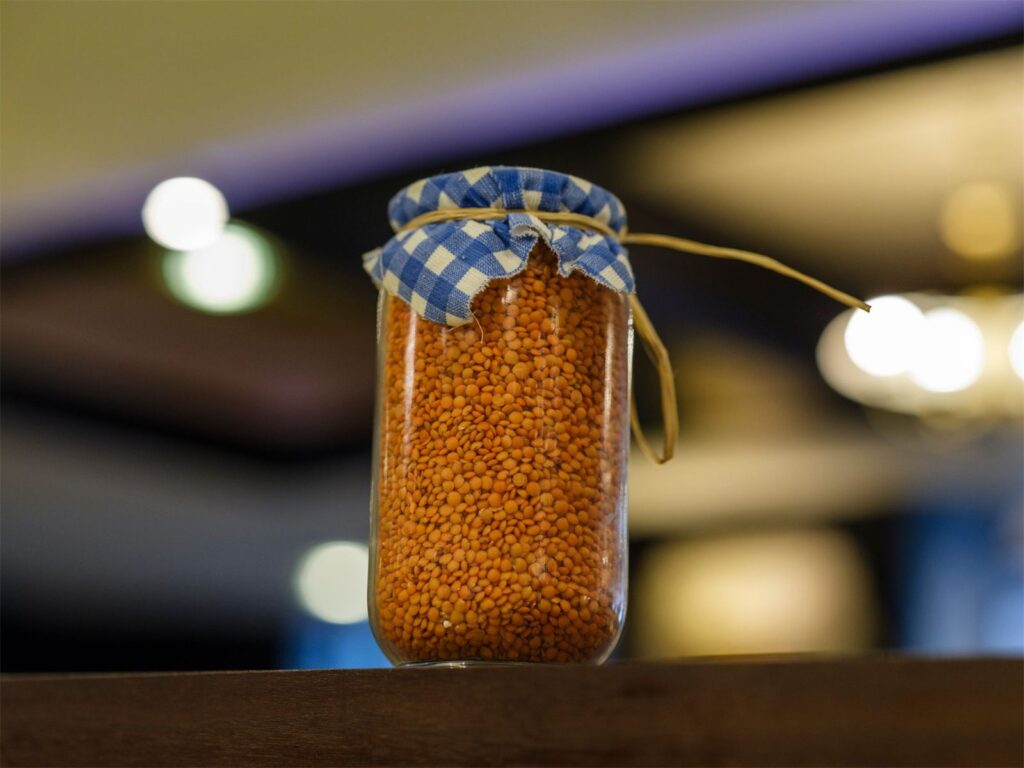
Old lentils are the most common hidden cause. Dried pulses keep losing moisture on the shelf, and older ones need more water and more time. Indian Healthy Recipes suggests soaking lentils that have sat on the shelf for longer than a year in hot water for 30 minutes before cooking. America’s Test Kitchen notes that bean age affects softening but is impossible to gauge from the package, so buy from a store with steady turnover.
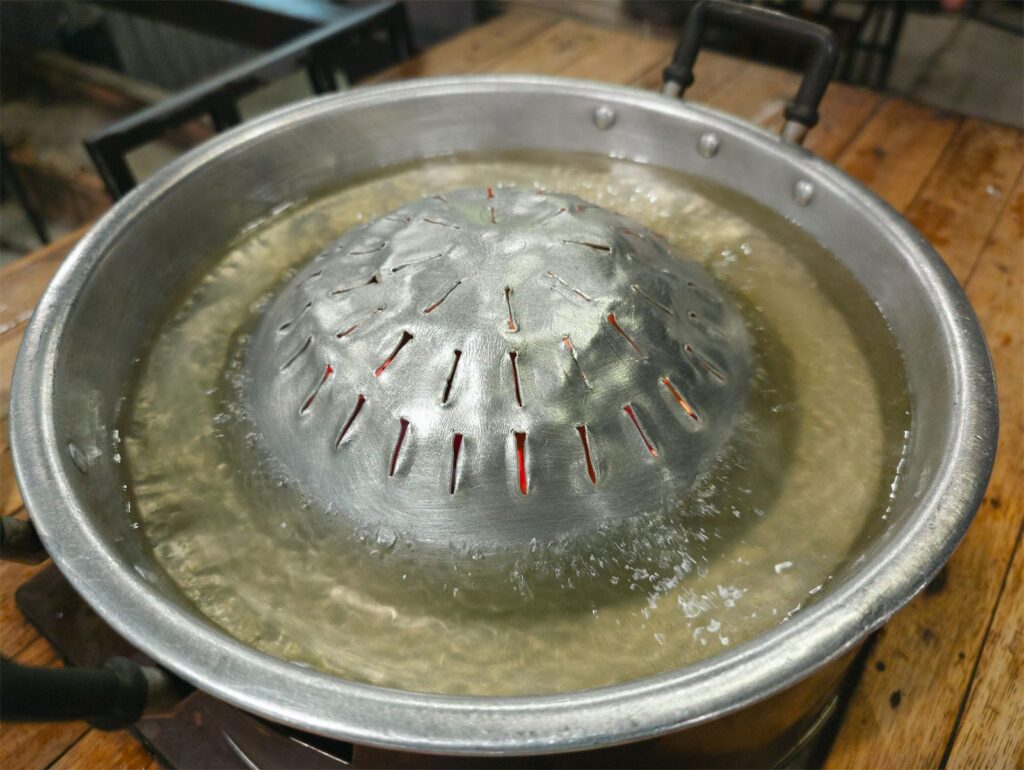
Hard water is the other quiet culprit. NDSU Extension advises using filtered water when your water is hard, because minerals in hard water slow softening. If your kettle builds white scale, try one batch in filtered water and compare.

Does tomato stop dal from cooking?
Yes, acid can stop dal from softening. America’s Test Kitchen found that acid keeps the cell structure of legumes firm: in its test, beans in acidic water took about an hour and 45 minutes to turn tender, against about an hour in plain water. With too much acid, it says, they may never soften enough to eat.
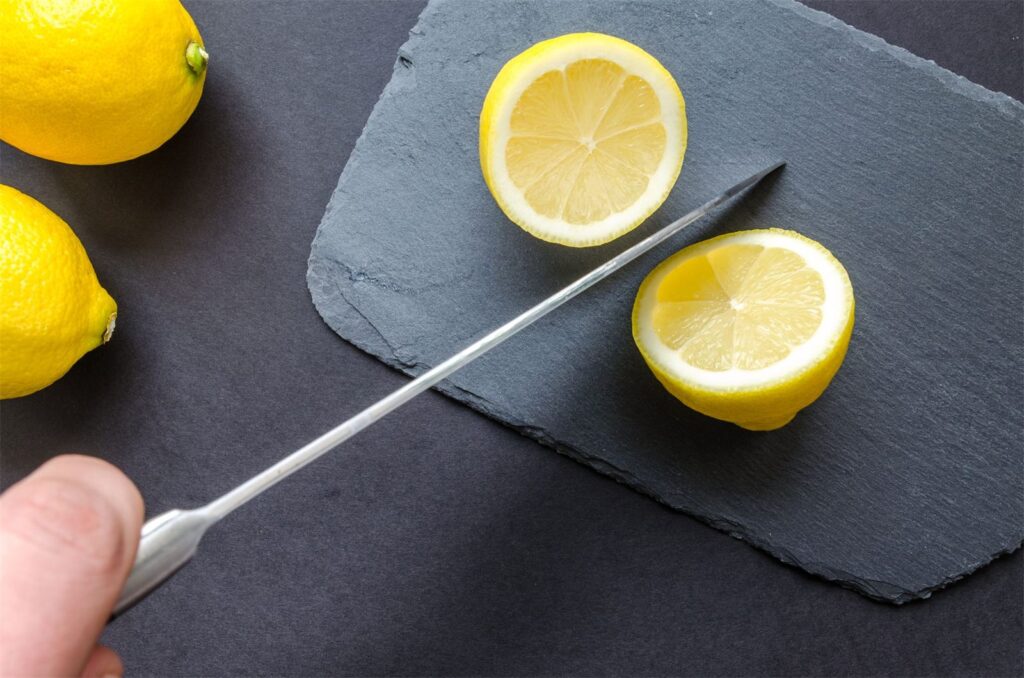
That matters for dal because so many styles use tomato, tamarind, lemon, kokum or dry mango powder (amchur). The fix is order, not leaving them out:
- Pressure cook the dal in plain water with turmeric until it is completely soft.
- Add tomato in the tadka or simmer it in after cooking.
- Stir in tamarind, lemon juice or amchur at the end, then taste.
If your dal now tastes too sharp, our guide to balancing a curry that is too sour or too tomatoey works for dal as well.
Does salt stop dal from softening?
Probably not. Colorado State University Extension tested a salted-water soak for beans in electric pressure cookers and found it gave quicker cooking than an unsalted soak or no soak, and America’s Test Kitchen brines its dried beans in salt water too. If your dal is hard, look at age, water and acid first.
Water, time and release: the cooking side
Dal needs enough water to stay covered as it swells. Hawkins pairs 1 cup of toor dal with 2 3/4 cups of water, and Indian recipes commonly use 2 to 3 cups of water per cup of dal. Hawkins also warns that keeping the heat high after the cooker reaches pressure can make it boil dry and burn.
Time at pressure matters more than the number of whistles. On high heat, whistles come fast and the dal gets only a few minutes of real cooking. Our pressure cooker whistles chart for dal, rice and beans gives counts and minutes for each dal, and shows how slow whole urad (25 minutes at pressure in the Hawkins chart) is next to split toor dal (1 minute).
Finally, the natural release is part of the cooking. Hawkins lists “allow to cool naturally” for every dal, so releasing steam by hand right after the last whistle can leave lentils firm. Never force the lid open while there is pressure inside.
How to soften dal that is already cooked
If the dal is still firm right now, you can usually save it. Work through these steps in order:
- Check the water. If it looks thick or dry, stir in about 1/2 cup of hot water so the dal is covered.
- Cook again. Close the cooker and give it 1 or 2 more whistles on medium heat, or about 5 more minutes in an Instant Pot, then let the pressure drop naturally.
- Use baking soda only as a last resort. ATK found baking soda speeds softening but warns that too much makes beans taste soapy, so use no more than a pinch.
- Mash what is left. Whisk or mash the dal hard, or blend part of it, to smooth out stubborn grains.
If the extra water leaves it thin, see how to thicken a watery curry or dal. If it is soft but flat, our fixes for a curry that tastes bland apply to dal too.

How to keep dal from staying hard next time
- Buy small and fresh. A bag you finish in a few months beats a sack that sits for years.
- Soak slow dals. Chana dal and whole dals benefit most; 30 minutes in hot water helps older split dal.
- Cook plain, flavor later. Turmeric and water go in the cooker; tomato and tamarind go in after.
- Check the cooker. A worn gasket that leaks steam means the pot never reaches full pressure. See how to fix a pressure cooker that is leaking steam or not whistling.
- Know your cooker. Heavy-base cookers hold heat differently, as our comparison of Hawkins vs Prestige pressure cookers explains.
In an Instant Pot, an acidic or thick dal can also scorch and trigger an error; see how to avoid the Instant Pot burn notice with Indian curries. For how electric and stovetop cookers compare on dal, read Instant Pot vs stovetop pressure cooker for Indian cooking, and for the whole topic, our complete guide to Indian pressure cooking.
Frequently Asked Questions
Why is my dal not cooking?
The most common causes are old lentils, hard water, acidic ingredients added before cooking, too little water, or too little time at full pressure. Check the table above to match your clue to a cause.
Why are my lentils still hard after pressure cooking?
Lentils stay hard when the cooker was on high heat so the whistles came quickly, when pressure was released by hand too soon, or when tomato or tamarind was in the pot. Add hot water, cook 1 or 2 more whistles and let the pressure drop on its own.
Does salt stop dal from softening?
Probably not. Colorado State University Extension found that soaking beans in salted water made them cook faster, not slower. Acid is a much more likely cause than salt.
Can I add baking soda to dal?
A pinch can help very old dal soften, but America’s Test Kitchen warns that too much leaves a soapy taste. Treat it as a last resort, not a habit.
How do you soften old dal?
Soak it in hot water for about 30 minutes, use a little more water than usual, and give it extra time at pressure with a natural release.
Does tomato stop dal from cooking?
Yes. Acid from tomato, tamarind or lemon keeps lentils firm. Cook the dal plain until soft, then add tomato in the tadka or simmer it in afterward.